Mahjongg Solitaire: The Ultimate Guide to Mastering the Classic Tile-Matching Puzzle
Introduction: Why Mahjongg Solitaire Still Matters
Mahjongg Solitaire, also known as Mahjong Solitaire or simply “Mahjongg,” is one of the most popular single-player puzzle games in the world. While it originated from the traditional Chinese Mahjong game, this solitaire version has grown into a digital classic played by millions online. Its appeal lies in the combination of strategy, memory, and pattern recognition, making it more than just a casual time-killer.
In today’s digital world, Mahjongg Solitaire continues to attract both beginners and expert puzzle lovers because it offers a unique mix of challenge and relaxation. Whether you’re playing on a mobile app, desktop, or a dedicated gaming website, Mahjongg Solitaire never loses its charm.
In this comprehensive guide, we’ll cover everything you need to know about Mahjongg Solitaire – from its history and rules to advanced strategies, variations, and expert tips that will help you master the game.
What is Mahjongg Solitaire?
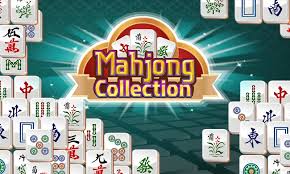
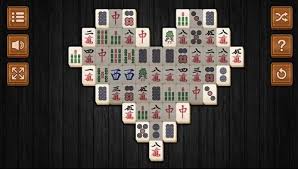
Mahjongg Solitaire is a single-player matching game that uses Mahjong tiles. Unlike the traditional four-player Mahjong game, this solitaire version does not require multiple players, betting, or long game sessions.
The goal is simple:
-
Match identical pairs of tiles.
-
Remove them from the board.
-
Continue until no tiles remain.
The challenge comes from the fact that only free tiles (tiles not covered or blocked on either side) can be matched. This adds an element of strategy, forcing players to think several moves ahead before making a match.
The History of Mahjongg Solitaire
The roots of Mahjong date back to 19th-century China, where it was played as a four-player game similar to rummy. The solitaire adaptation, however, is a much more modern invention.
-
1981: The first computerized version of Mahjong Solitaire was developed by Brodie Lockard for the PLATO system.
-
1986: Activision released the game “Shanghai,” which popularized Mahjongg Solitaire worldwide.
-
1990s onwards: With the rise of PCs and later the internet, Mahjongg Solitaire became a staple of casual gaming platforms.
Today, the game is available across hundreds of websites, apps, and even integrated into social media platforms.
Rules of Mahjongg Solitaire
While variations exist, the basic rules remain consistent:
-
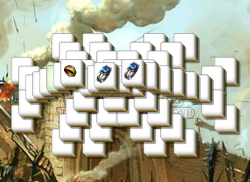
Tile Layout – Tiles are arranged in a layered structure, often resembling a pyramid or turtle shape.
-
Tile Pairs – Only identical tiles can be matched (with the exception of season/flower tiles that can be paired with each other).
-
Free Tiles – You can only select tiles that are not covered and have at least one side (left or right) free.
-
Objective – Clear all tiles from the board.
This simple yet challenging rule set is what makes Mahjongg Solitaire addictive and rewarding.
Why is Mahjongg Solitaire So Popular?
Several reasons explain the lasting popularity of Mahjongg Solitaire:
-
Accessibility – Easy to learn but hard to master.
-
Relaxation – Provides a calm, mindful experience similar to meditation.
-
Brain Training – Improves memory, concentration, and problem-solving skills.
-
Availability – Can be played online for free on countless platforms.
-
Replay Value – Each shuffle creates a new challenge.
Tips for Beginners
If you’re new to Mahjongg Solitaire, start with these beginner-friendly tips:
-
Focus on free tiles first – Don’t waste time on blocked tiles.
-
Work from the top down – Always remove tiles from the upper layers to expose hidden tiles.
-
Plan ahead – Look for multiple matching options before making a move.
-
Undo when available – Many online versions let you undo moves. Use this to learn better strategies.
-
Practice regularly – Like any puzzle, skill improves with consistent play.
Advanced Strategies for Experts
Once you’ve mastered the basics, use these advanced techniques:
-
Prioritize long stacks – Free up taller tile stacks first to avoid dead-ends.
-
Save pairs for later – Don’t rush to clear obvious pairs if they’re not blocking anything important.
-
Balance both sides – Avoid clearing only one side of the board; this creates uneven tile distribution.
-
Look for matches that reveal the most tiles – Always consider the long-term impact of each move.
-
Think 3-4 moves ahead – Expert players treat Mahjongg Solitaire like chess, planning multiple moves in advance.
Variations of Mahjongg Solitaire
The game has evolved into many variations, including:
-
Classic Mahjongg Solitaire – Standard tile-matching with turtle layout.
-
Time Attack Mode – Beat the clock to clear the board.
-
Multi-Layout Versions – Hundreds of different tile arrangements beyond the turtle layout.
-
3D Mahjongg – Modern digital versions with rotating 3D boards.
-
Daily Challenges – Popular on apps where players get new puzzles each day.
Benefits of Playing Mahjongg Solitaire
Playing Mahjongg Solitaire isn’t just fun – it’s also beneficial:
-
Cognitive Benefits: Boosts memory, pattern recognition, and decision-making.
-
Stress Relief: Provides relaxation and mental calmness.
-
Entertainment: A perfect way to pass time without pressure.
-
Accessibility: Free and playable on almost every device.
Common Mistakes to Avoid
Even experienced players make these mistakes:
-
Matching pairs too quickly without thinking ahead.
-
Ignoring tiles in the middle layers.
-
Clearing one side of the board too early.
-
Not using the undo or shuffle option when available.
Best Places to Play Mahjongg Solitaire Online
If you want to play Mahjongg Solitaire online, here are some trusted platforms:
-
Arkadium Mahjongg Solitaire – Clean design, free daily puzzles.
-
Mahjongg Dimensions – A fun 3D twist.
-
247 Mahjong – Wide variety of layouts and difficulty levels.
-
Mahjongg Titans (Windows) – Classic built-in version for PC players.
-
Mobile Apps (iOS & Android) – Countless apps with free-to-play options.
Mahjongg Solitaire vs. Traditional Mahjong
It’s important to understand the difference:
-
Traditional Mahjong – A four-player game with complex rules, betting, and scoring.
-
Mahjongg Solitaire – A simplified, single-player puzzle focusing on tile-matching.
Both are fun, but Mahjongg Solitaire is far more accessible for casual players.
FAQs About Mahjongg Solitaire
Q1: Is Mahjongg Solitaire the same as Mahjong?
No, Mahjong is a four-player game, while Mahjongg Solitaire is a single-player puzzle.
Q2: Can Mahjongg Solitaire be won every time?
Not always. Some tile layouts are unsolvable depending on how tiles are stacked.
Q3: Does Mahjongg Solitaire improve brain power?
Yes, it enhances memory, focus, and strategic thinking.
Q4: Where can I play Mahjongg Solitaire for free?
Websites like Arkadium, 247 Mahjong, and several mobile apps offer free play.
Q5: What is the hardest part of Mahjongg Solitaire?
Planning moves ahead and avoiding deadlocks when tiles are blocked.
Conclusion: Mastering Mahjongg Solitaire
Mahjongg Solitaire is more than a casual puzzle game – it’s a mental workout, a relaxing escape, and a timeless classic that continues to entertain players worldwide. Whether you’re a beginner learning the basics or an expert aiming for perfect clears, the strategies in this guide will help you enjoy the game at a deeper level.
So next time you sit down to play, remember: it’s not just about matching tiles – it’s about patience, planning, and enjoying the journey.