Mahjong Classic – The Timeless Tile-Matching Puzzle
Introduction
Among the many variations of Mahjong, Mahjong Classic stands out as the purest form of the game. This timeless puzzle retains the traditional Chinese tiles, authentic layouts, and calming atmosphere that have made Mahjong a global favorite for centuries.
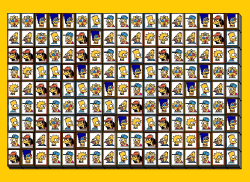
Unlike modern variations such as Mahjong Dimensions or themed versions like Simpsons Mahjong, Mahjong Classic stays true to its origins. The goal remains the same—match identical tiles to clear the board—but the simplicity, elegance, and cultural touch make it unique.
If you are looking for a relaxing yet mentally stimulating puzzle, Mahjong Classic is the perfect choice.
What is Mahjong Classic?
Mahjong Classic is a digital adaptation of traditional Mahjong Solitaire, where players match pairs of identical tiles until the board is cleared.
It features:
-
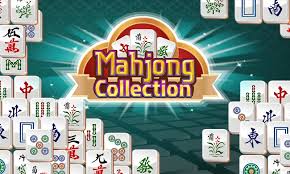
Original tile sets – Bamboo, Characters, Circles, Winds, Dragons, and Seasons.
-
Classic layouts – Turtle, Dragon, Fortress, and other traditional patterns.
-
Relaxed pace – Usually no time limit, allowing for a calming experience.
-
Authentic sound effects – Soft clicks and background music to enhance focus.
This version captures the essence of ancient Chinese Mahjong while making it accessible to modern players.
History of Mahjong Classic
Mahjong originated in China during the Qing Dynasty (19th century). While the multiplayer tile game was originally played with four players, the solitaire version became popular in the West during the 1980s.
Mahjong Classic pays tribute to these roots by:
-
Preserving authentic symbols such as Dragons and Winds.
-
Keeping layouts based on ancient Mahjong traditions.
-
Maintaining a balance between challenge and relaxation.
It serves as a bridge between the ancient strategy game and the modern puzzle genre.
How to Play Mahjong Classic
Step-by-Step Rules
-
The game begins with a board stacked with tiles in a layered pattern.
-
Only free tiles can be matched (tiles that are not covered and have at least one open side).
-
Match identical pairs to remove them.
-
Continue until all pairs are cleared or no moves remain.
-
Some tiles, like Seasons and Flowers, can be matched even if not identical (e.g., Spring can match with Autumn).
Features of Mahjong Classic
-
Traditional Tiles – Bamboo, Circles, Characters, Winds, Dragons.
-
Multiple Layouts – From beginner-friendly Turtle shapes to advanced complex boards.
-
Relaxed Gameplay – Often without timers, making it stress-free.
-
Hints and Shuffle Options – Help players avoid getting stuck.
-
Authentic Design – Classic Chinese patterns and backgrounds.
Beginner Tips for Mahjong Classic
-
Look for open pairs first – Focus on tiles that free up new paths.
-
Work from top to bottom – Clearing higher tiles first prevents blocking.
-
Save rare tiles – Dragons and Winds should be cleared carefully.
-
Use hints sparingly – Helps when stuck but reduces the challenge.
-
Take your time – Mahjong Classic rewards patience, not speed.
Advanced Strategies
-
Plan moves ahead – Think beyond the current match.
-
Focus on unlocking layers – Always free deeper tiles instead of random matches.
-
Match rare tiles early – Prevents being stuck later in the game.
-
Practice different layouts – Builds skill and memory across multiple patterns.
-
Challenge yourself – Play without hints to improve concentration.
Benefits of Playing Mahjong Classic
-
Memory Boost – Improves short-term recall through pattern recognition.
-
Stress Relief – Calming music and slow pace relax the mind.
-
Problem-Solving Skills – Encourages logical thinking and strategy.
-
Focus & Patience – Enhances concentration by requiring full attention.
-
Cultural Appreciation – Connects players to Chinese history and tradition.
Mahjong Classic vs. Modern Variations
| Feature | Mahjong Classic | Modern Variants (Dimensions, Connect) |
|---|---|---|
| Tiles | Traditional Chinese symbols | Themed (cartoons, holidays, 3D) |
| Gameplay Speed | Relaxed, timeless | Often fast-paced, timed |
| Layouts | Traditional turtle/dragon/fortress | Creative, experimental |
| Atmosphere | Calm, cultural, meditative | Fun, energetic, casual |
Popular Layouts in Mahjong Classic
-
Turtle Layout – The most iconic arrangement.
-
Dragon Layout – Complex but visually striking.
-
Fortress Layout – Symmetrical and challenging.
-
Pyramid Layout – Triangular stacking that demands careful planning.
Where to Play Mahjong Classic
-
Mahjong.com – Offers free browser versions.
-
Arkadium & AARP Games – Feature relaxing Mahjong Classic puzzles.
-
Microsoft Store – PC versions with multiple layouts.
-
Mobile Apps – iOS and Android apps like “Mahjong Classic” and “Mahjong Solitaire.”
Common Mistakes to Avoid
-
Matching pairs too quickly – Always think about the consequences.
-
Ignoring deeper layers – Can block progress if top layers aren’t cleared strategically.
-
Overusing shuffle – Makes the game easier but removes the strategic depth.
-
Not using Season/Flower flexibility – Many beginners forget these special matches.
FAQs About Mahjong Classic
Q1: Is Mahjong Classic the original Mahjong?
No, the original Mahjong was a four-player strategy game, but Classic Solitaire is its closest digital adaptation.
Q2: Can Mahjong Classic be played offline?
Yes, most mobile apps and PC versions allow offline play.
Q3: How long does a typical game take?
Depending on the layout, a round can last 5–20 minutes.
Q4: Is it suitable for beginners?
Yes, it’s the best starting point for anyone new to Mahjong.
Conclusion
Mahjong Classic is more than just a puzzle—it’s a timeless cultural experience. With its traditional tiles, calm atmosphere, and strategic gameplay, it continues to attract players across generations.
Whether you want to sharpen your mind, relax after a long day, or simply enjoy a game with deep cultural roots, Mahjong Classic remains the purest and most rewarding Mahjong experience.